
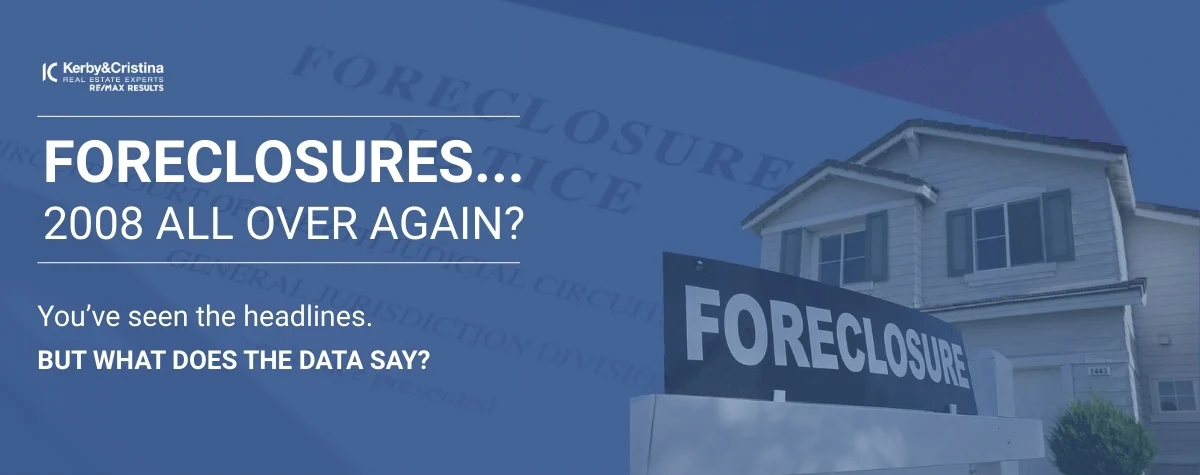
Foreclosure headlines can trigger instant flashbacks to 2008. And yes, foreclosure activity has ticked up from the unusually low levels we saw during the pandemic-era years.
But the data shows something important:
We are not seeing the key warning signs that typically come before a wave of foreclosures or a 2008-style foreclosure crisis.
In the last housing crash, foreclosure activity wasn’t just “a little higher.” It became widespread enough to impact pricing, neighborhood stability, and buyer confidence.
That’s why the best question today isn’t: “Are foreclosures rising?” They are.
The better question is: “Are we seeing the level of widespread borrower distress that leads to a foreclosure wave?” Right now, the answer is no, and there’s a specific data point that supports that.
Before a true foreclosure wave hits, you typically see lender-mediated/distressed activity become a large and growing share of home sales.
In the Twin Cities (NorthstarMLS region), the lender-mediated market share remains around ~1.28% based on Minnesota REALTORS® reporting. That’s a small slice of total activity, especially compared to the housing crash era when distressed share surged dramatically. (mnrealtor.com)
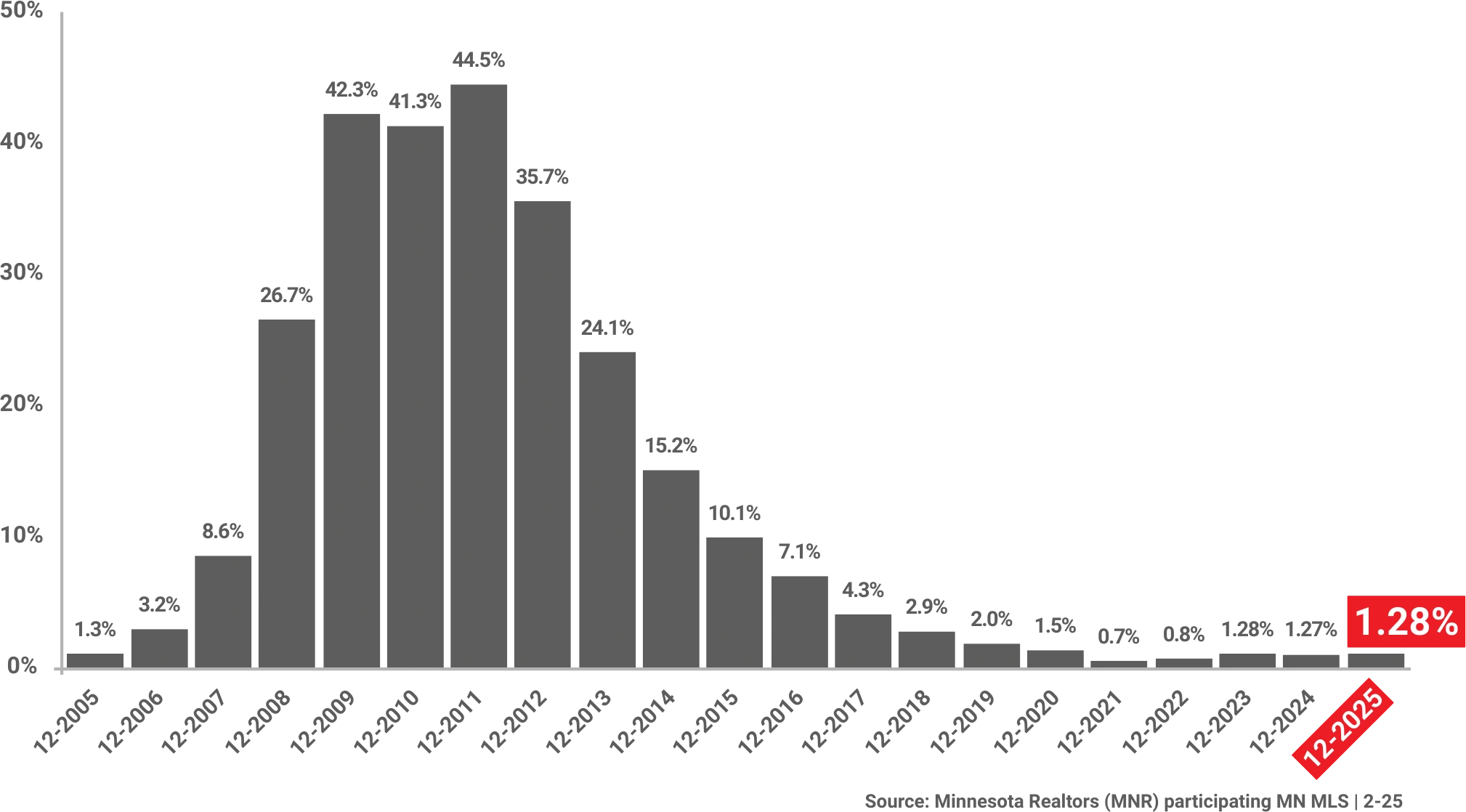
This is why we describe today’s increase as normalizing — not destabilizing.
Here’s the national indicator that typically rises before big foreclosure waves:
Serious mortgage delinquencies (90+ days late)
The New York Fed tracks delinquency trends across household debt. While some categories of debt can show stress at different times, mortgage distress today remains far below crash-era levels.
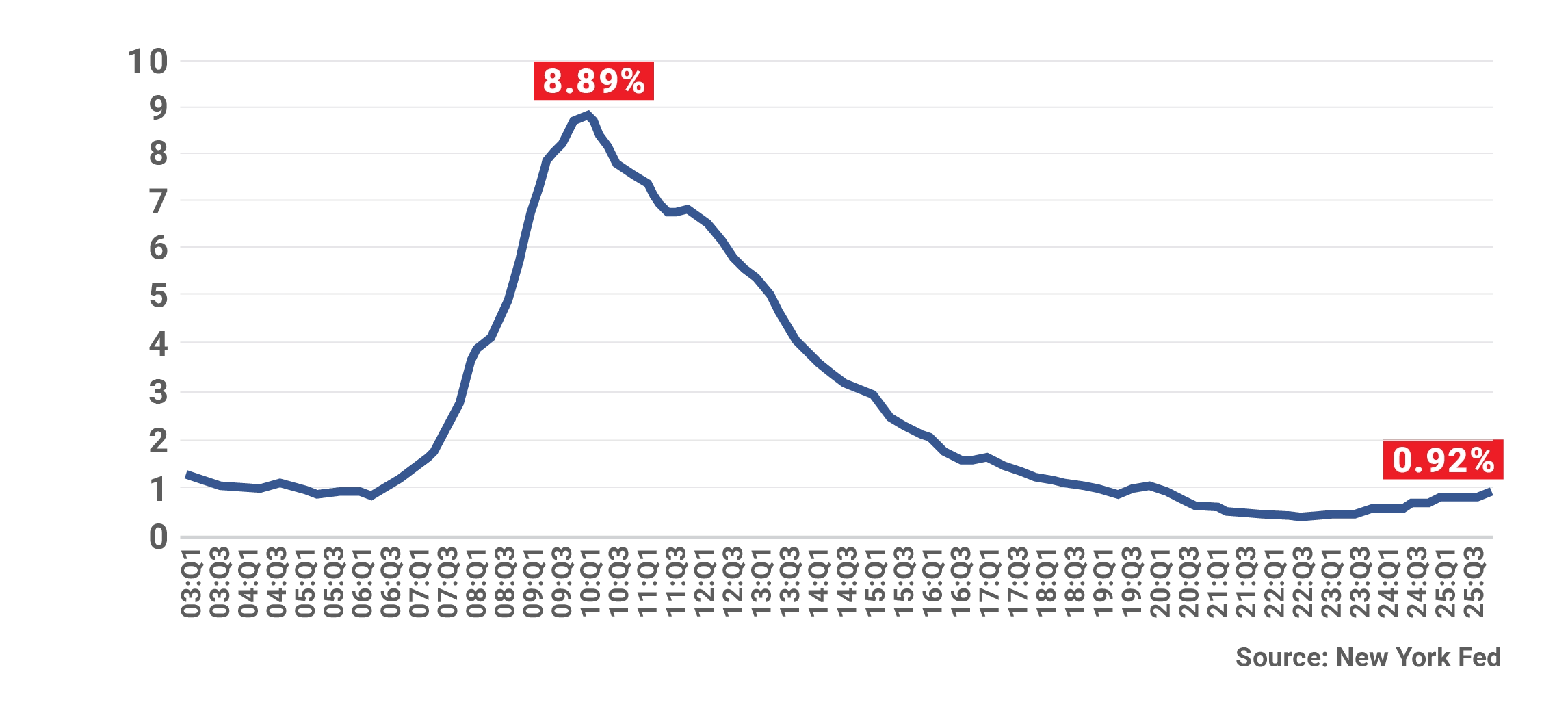
This is the “big picture” reason why today’s market looks fundamentally different from 2008.
Foreclosures can rise for totally normal reasons:
ATTOM’s national reporting shows foreclosure filings are measurable but still modest in scale. For example, ATTOM reported that in January 2026, one in every 3,547 housing units had a foreclosure filing.
That’s worth watching. It’s not “wave” territory.
In 2008, a major driver of the crisis was that many homeowners owed more than their homes were worth, which removed the simplest option: selling to avoid foreclosure.
Today, many homeowners still have plenty of equity, and that often creates a clean exit ramp when life happens:
This “equity cushion” is one of the biggest structural differences between now and the crash era.
If you’re behind (or worried you might fall behind) you have more options earlier than later.
Here are three smart first steps:
If you’re not sure what your best option is, we’re happy to help you look at the situation clearly and privately. Our team is experienced with almost 2 decades of home sales and 7,500 homes sold. We care and are committed to helping Twin Cities homeowners understand their best options with the right data to make informed decisions.
Yes, foreclosure activity has increased from historic lows.
But:
If you’re seeing alarming headlines, the best move isn’t panic or shutting down. It’s perspective and getting the right information you need to make confident decisions.
If you’re a homeowner in the Twin Cities and want a clear read on what this means for you and your neighborhood — or you’re feeling pressure and want to understand your options — reach out to our real estate team today. We’ll help you get perspective, a plan, and your best next step.
Reach out today for a confidential conversation to get all your options!
Based on Twin Cities lender-mediated share and national delinquency indicators, we are not seeing the widespread distress patterns that typically precede a foreclosure wave.
Current mortgage delinquency and distressed share levels remain far below crash-era conditions, which is a key reason today doesn’t resemble 2008.
Foreclosures are normalizing from extremely low pandemic-era levels, and some households are under financial pressure, but the scale remains much smaller than what we saw during the housing crash.
Contact your loan servicer early to ask about hardship options. If selling could be a better solution, exploring it early can preserve more choices and reduce stress.