
Selling a home is rarely just a transaction. It is often one of the most emotional experiences our clients will go through, especially when a family home, an inherited property, or a place full of memories is involved. At Kerby & Cristina Real Estate Experts, we believe emotion doesn’t sell homes, leadership does, and that distinction is at the heart of how our agents guide sellers through every stage of a listing.
Our sales director, Rachel Smith, recently led an internal training session for our team on exactly this topic: how to manage the emotional side of a transaction while still moving the sale forward with facts, clarity, and confidence. We’re sharing some of those insights here because we believe this is what separates good agents from great ones, and it’s the kind of leadership we look for in every agent who joins our team.
Every listing has a factual story and an emotional one. The facts include price, inspection results, financing, appraisal, timeline, and market conditions. The emotional story includes fear, pride, anxiety, grief, anger, and ego. Most deals do not fall apart because of the facts. They fall apart because the emotional side wasn’t addressed.
Understanding this dual narrative allows agents to anticipate friction points before they derail a transaction, whether that friction is coming from a seller, a buyer, or even another agent.
Sellers typically move through excitement, hope, stress, defensiveness, negotiation, doubt, acceptance, and finally relief. Recognizing where a client is in this cycle helps agents respond with the right tone at the right time, rather than being caught off guard by a shift in mood or motivation.
Part of leading through a transaction is learning to hear what is underneath a client’s words. A few common examples:
We acknowledge feelings, but we make decisions using facts. Buyers, not sellers or agents, ultimately determine value, and delivering that message with empathy is a skill worth practicing.
Inspection requests can feel personal to sellers, but almost every transaction includes some level of buyer request. This is especially relevant right now. In the Twin Cities metro, sellers received 99.6% of original list price in June, down slightly from 100.0% a year ago, and the market as a whole is giving buyers more room to negotiate than it has in recent years. A strong agent’s job is to separate what is truly health and safety related from what is negotiable, and to set that expectation with sellers before the inspection period even begins, especially as buyers grow more selective in a market with more inventory to choose from.
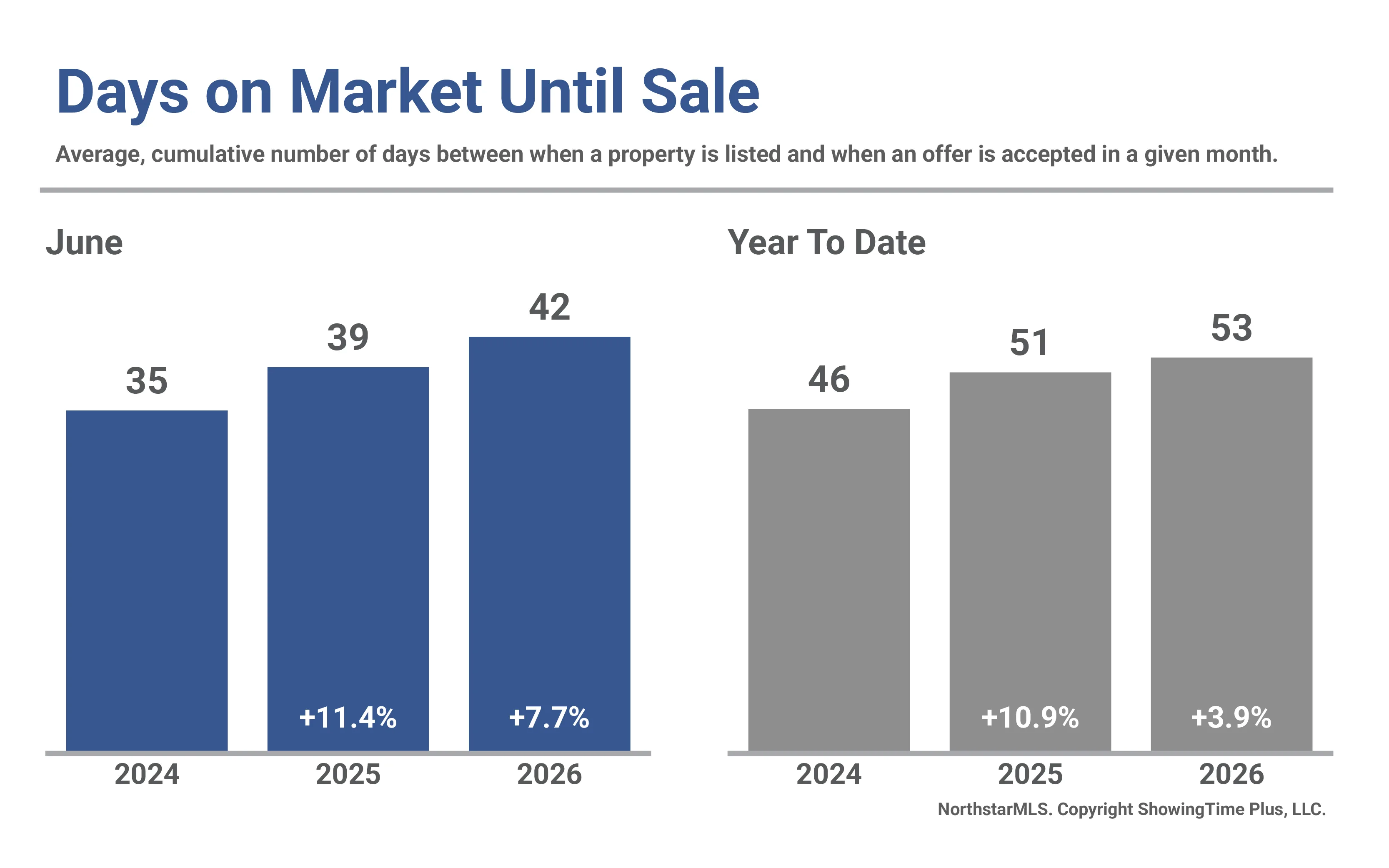
Days on market matter, and the data backs this up. Twin Cities homes spent an average of 42 days on market in June, up 7.7% year over year, while inventory rose 5.1% to 10,897 homes, a seven-year high for the metro. When a legitimate offer is in hand, agents need to help sellers understand what walking away could actually mean. We’ve written before about what it means when offers arrive slower than sellers expect, and the same principle applies here. With buyers now having more options and less urgency than they did a few years ago, a seller who lets a solid offer slip away is not guaranteed to see another one appear in 30 days.
Whether it’s a seller who feels insulted by an offer or a difficult agent on the other side of the deal, the agent’s job is not to convince, argue, or win. The job is to lower the emotional temperature, increase clarity, and help clients make informed decisions. That means never speaking negatively about the other party to your client, no matter how tempting it may be in the moment.
When emotions start to take over a negotiation, three questions can bring the focus back to what matters:
These questions help agents and clients avoid getting stuck on issues that feel significant in the moment but rarely affect the outcome of the sale.
Small shifts in language make a big difference in high emotion moments. Instead of “you’re wrong,” try “help me understand.” Instead of “they’re being unreasonable,” try “let’s focus on what gets us to the closing table.” These reframes keep conversations productive instead of adversarial.
Clients may not remember every conversation during their transaction, but they remember how their agent made them feel. Confidence, honesty, calm, and forward momentum are the qualities that build trust and, ultimately, referrals.
The Twin Cities market is shifting toward better balance. New listings rose 10.5% and pending sales rose 9.7% in June compared to a year ago, giving both buyers and sellers more activity to work with. But that same shift means sellers are more likely to encounter negotiation, longer market times, and buyers who take their time. For a deeper look at how these trends developed over the first half of the year, see our mid-year market update. This is exactly the environment where the skills in this training matter most. Agents who can manage the emotional side of a transaction while keeping clients grounded in the facts are the ones who close deals confidently, no matter which direction the market moves.
This kind of training, rooted in real scenarios and practical frameworks, is part of what our agents receive as part of our team. We don’t just hand agents leads and hope for the best. We invest in the skills that help agents lead confidently through the hardest parts of a transaction, because that’s what builds long term, successful careers in this business.
If you’re an agent looking for a team that prioritizes this level of coaching and support, we’d love to talk.